
TL;DR:
- Effective event coordination builds employee loyalty and strengthens culture, directly impacting organizational profitability.
- It encompasses execution tasks like managing communication, roles, and timelines, which are crucial for memorable celebrations.
Event coordination is one of the most underutilized tools in an HR manager's toolkit. While most teams treat it as a logistical chore, the companies that get it right use it to build loyalty, strengthen culture, and reduce turnover. According to Gallup research, teams with high engagement show 23% greater profitability. The way you organize recognition events, milestone celebrations, and team gatherings directly influences how connected your employees feel to the organization. This guide walks you through everything you need to coordinate events that actually move the needle.
Table of Contents
- Defining event coordination: more than logistics
- The event coordination process: step by step
- Key competencies and training for successful coordination
- How event coordination shapes engagement and team culture
- Why most companies underestimate the strategic power of event coordination
- Simplify event coordination with Hop Hey
- Frequently asked questions
Key Takeaways
| Point | Details |
|---|---|
| Strategic impact | Event coordination is a key driver for employee engagement and company culture. |
| Step-by-step process | Following a structured coordination process ensures events run smoothly and deliver measurable benefits. |
| Training matters | Building competencies through targeted training leads to better, more inclusive events. |
| Tools and technology | Leveraging digital platforms can streamline coordination and maximize event impact. |
Defining event coordination: more than logistics
With the big picture in mind, it's vital to break down what event coordination truly means for your business.
Most people confuse event coordination with event planning. They are related, but they are not the same thing. Event planning is the strategic phase: setting goals, choosing a theme, selecting a venue, and building a budget. Event coordination is the execution phase: managing communication flows, assigning responsibilities, keeping timelines on track, and solving problems in real time. Think of planning as drawing the blueprint and coordination as constructing the building.
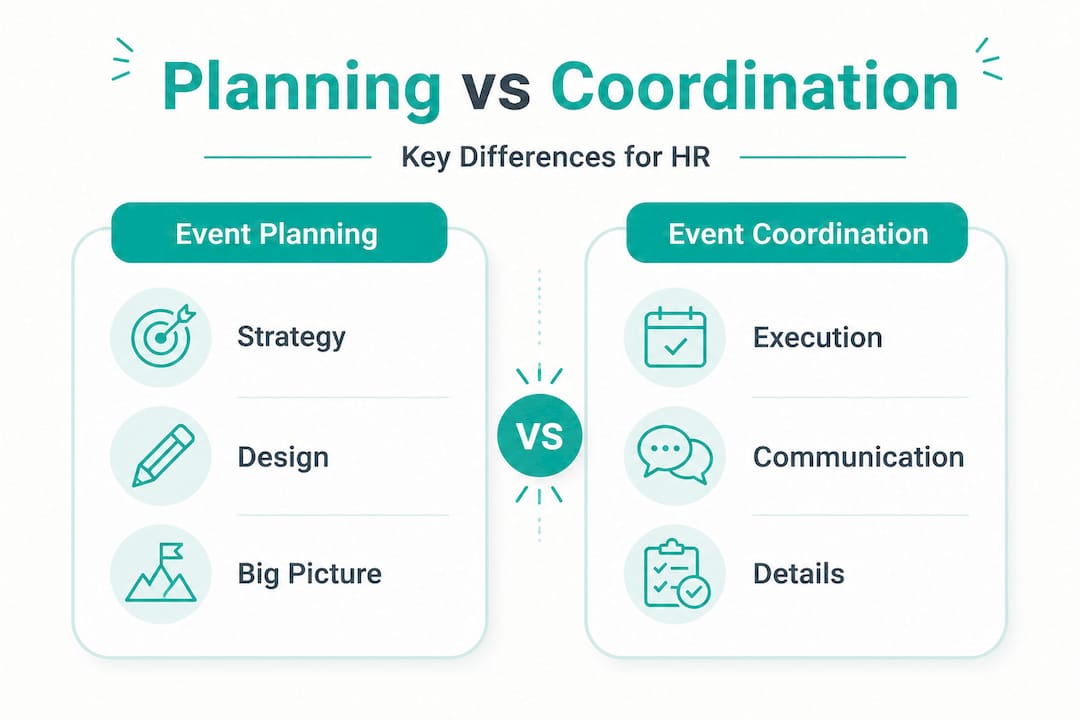
For HR teams, this distinction matters enormously. You might plan a brilliant employee recognition ceremony, but if coordination breaks down, the experience falls flat. Guests don't know where to go. Gifts aren't collected in time. The honoree finds out about their own surprise party. These failures aren't planning problems. They are coordination problems.
| Aspect | Event planning | Event coordination |
|---|---|---|
| Focus | Strategy and design | Execution and communication |
| Timeline | Weeks or months ahead | Day-of and real-time |
| Key tools | Budgets, venue contracts | Checklists, messaging apps |
| Primary skill | Creative thinking | Adaptability and problem-solving |
| HR application | Choosing event type and goals | Managing roles and logistics |
Core coordination functions include scheduling across multiple stakeholders, managing communication between team members, tracking contributions and resources, and executing the event timeline without friction. When HR teams assign flexible event roles to participants, coordination becomes far more scalable and less dependent on one overwhelmed person doing everything.
Here is what effective event coordinators typically handle on a day-to-day basis:
- Sending reminders and updates to participants
- Managing gift contribution deadlines and fund collection
- Coordinating vendors, caterers, or virtual platform setups
- Keeping surprise events confidential from the honoree
- Troubleshooting last-minute changes without disrupting the experience
"The best event coordinators don't just manage logistics. They manage the emotional experience of every person in the room."
That perspective should anchor every coordination decision your team makes.
The event coordination process: step by step
Now that you know what event coordination covers, let's dive into the process from start to finish.
Strong coordination doesn't happen by accident. It follows a repeatable process that any HR team can learn, refine, and scale. Here is a proven step-by-step framework that works for everything from small team birthday celebrations to large-scale recognition ceremonies.
-
Define your goals and identify stakeholders. Before anything else, get clear on what the event needs to accomplish. Is it boosting morale? Recognizing a specific achievement? Celebrating a work anniversary? Different goals require different approaches. Identify who needs to be involved, who is the honoree, and who has decision-making authority.
-
Set your budget and allocate resources. Budget decisions shape everything downstream. Determine how much the company will contribute and whether team members will pool funds. Transparent event fund collection is critical here. When people can see exactly where their contributions go, participation rates go up and trust increases.
-
Assign roles and responsibilities. Coordination breaks down when everyone assumes someone else is handling a task. Assign a lead coordinator, a communications manager, a fund tracker, and a logistics owner. Even for small events, clear role ownership prevents gaps.
-
Build your communication plan. Decide how your team will communicate during the coordination process. A dedicated group chat that excludes the honoree is essential for surprise events. Set clear update cadences so everyone stays aligned without being overwhelmed by messages.
-
Execute and monitor in real time. On the day of the event, the coordinator's job is to stay one step ahead of problems. Use a master checklist to track every moving part. Confirm vendor arrivals, check that contributions have been collected, and verify that all participants know their roles.
-
Gather feedback and improve. After every event, collect structured feedback from participants. What worked? What felt chaotic? This data is gold for planning workplace celebrations that keep getting better over time.
Pro Tip: Build a master checklist template for each event type you run regularly. A birthday celebration checklist will look different from an onboarding welcome event or a quarterly recognition ceremony. Having these templates ready cuts your coordination time by 40% or more on repeat events.
Research consistently shows that employee recognition frequency directly correlates with engagement scores. Teams that receive recognition at least once a month report significantly higher job satisfaction. Coordinated events are one of the most visible and memorable forms of recognition you can deliver.
Key competencies and training for successful coordination
Effective coordination hinges on a skilled team. Here's what to cultivate and how to get there.
Event coordination is a learnable skill set, not a personality trait. HR managers often make the mistake of assigning coordination duties to whoever seems "organized" without investing in actual training. That approach leads to burnout, inconsistent results, and events that feel generic rather than meaningful.
The competencies that matter most for event coordinators in HR settings fall into three categories:
Core organizational skills
- Time management and deadline tracking
- Resource and budget management
- Vendor and stakeholder communication
Interpersonal and communication skills
- Active listening and conflict resolution
- Cross-functional collaboration
- Writing clear, concise updates and instructions
Adaptability and digital fluency
- Comfort with event management software and collaboration tools
- Ability to pivot quickly when plans change
- Cultural sensitivity for inclusive event design
| Training approach | Best for | Time investment | Cost range |
|---|---|---|---|
| Online courses | Self-paced skill building | 5-20 hours | Low to moderate |
| In-person workshops | Team alignment and practice | 1-2 days | Moderate to high |
| On-the-job mentoring | Real-world application | Ongoing | Low |
| Certification programs | Career development | 3-6 months | High |
Organizations that invest in streamlined event planning training see measurable improvements in event quality and participant satisfaction. Companies with structured event management strategies also report fewer last-minute crises and better cross-team collaboration.
Training modules worth prioritizing for your HR coordinators include budget management basics, cultural sensitivity and inclusive design, digital tool proficiency, and communication frameworks for surprise event coordination. Reviewing a solid employee training policy can help you formalize these learning paths within your organization's existing development structure.
Understanding the full range of event types for teams is also part of coordinator training. A team that only runs one type of event, say, the annual holiday party, misses dozens of opportunities throughout the year to recognize people in meaningful, personalized ways.
How event coordination shapes engagement and team culture
With strong competencies in place, here's how event coordination brings measurable benefits in practice.
The connection between well-coordinated events and employee retention is not theoretical. It is measurable. When employees feel genuinely recognized, they stay longer, perform better, and advocate for their company to outside talent. Poorly coordinated events, on the other hand, can actually damage morale. An event that feels rushed, disorganized, or impersonal sends a message: "We didn't care enough to do this right."
Here are the specific ways that strong coordination drives engagement outcomes:
- Recognition ceremonies that run smoothly make honorees feel genuinely celebrated, not just checked off a list. The coordination quality signals how much the company values the person.
- Milestone celebrations for work anniversaries, promotions, or project completions create shared memories that bond teams together over time.
- Inclusive event design ensures that remote employees, people with dietary restrictions, and team members across different time zones all feel considered and included.
- Surprise events that stay confidential until the right moment create emotional impact that standard recognition emails simply cannot replicate.
- Consistent event cadence builds a culture of appreciation that employees can count on, rather than sporadic gestures that feel reactive.
Pro Tip: After every event, send a short three-question feedback survey to participants. Ask what they loved, what felt off, and what they'd change. Use that input to build a living improvement log. Over six months, you'll have a data-rich picture of what your team actually values in a celebration.
Strong event communication strategies are the backbone of inclusive coordination. When people receive timely, clear, and enthusiastic communication about an upcoming event, their anticipation and participation both increase. Conversely, vague or last-minute communication kills excitement before the event even starts.
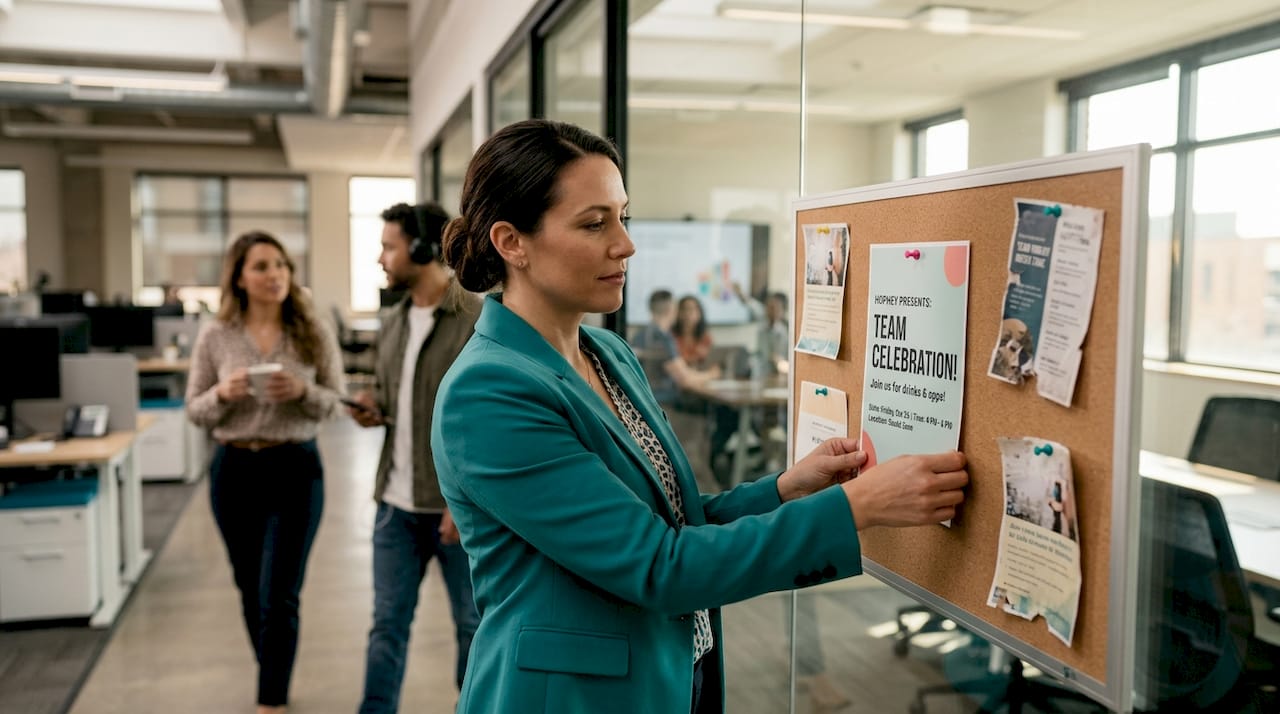
Group recognition coordination is particularly powerful in larger organizations where individual recognition can easily fall through the cracks. Structuring group celebrations with clear coordination ensures that no one's contribution or milestone goes unnoticed. Research on corporate event strategies consistently shows that companies investing in structured celebration programs outperform peers on employee satisfaction metrics.
Why most companies underestimate the strategic power of event coordination
Seeing the impact, it's time to reflect on why so many companies still struggle to get coordination right.
Here is the uncomfortable truth: most organizations treat event coordination as an administrative task rather than a strategic one. It gets handed to whoever has bandwidth, executed with minimal resources, and evaluated on whether the food was good and nobody complained. That is a fundamentally broken approach.
The companies that use events to genuinely build culture do something different. They treat coordination as a leadership function. They assign it to people with real authority to make decisions. They fund it properly. They measure outcomes beyond "did it happen." And critically, they connect every event back to a clear cultural or engagement goal.
What leading organizations do differently comes down to three things. First, they plan events on a rolling calendar rather than reacting to occasions as they arrive. Second, they invest in tools and training that make coordination repeatable and scalable. Third, they close the feedback loop every single time, using event data to improve the next one.
The mistake most companies make is viewing coordination as a checklist. Show up, set up, hand out awards, clean up, done. But the real value of a well-coordinated event lives in the weeks after it happens. It lives in the conversation at the coffee machine. It lives in the LinkedIn post the honoree writes. It lives in the new hire who hears about it during onboarding and thinks, "This is a company that actually cares about people."
Staying current with event planning trends is also part of getting coordination right. Hybrid work has changed what "inclusive" means for events. Digital-first teams need coordination tools that work asynchronously. The organizations winning on culture right now are the ones adapting their coordination approach to meet employees where they actually are, not where they used to be.
Not every event will be a home run. Some will fall flat despite your best efforts. The difference between companies that improve and companies that stagnate is whether they treat those flat events as data or as embarrassments. Data leads to better coordination. Embarrassment leads to doing the same thing again next year and hoping for different results.
Simplify event coordination with Hop Hey
If you're ready to elevate your team's celebrations, there are smarter ways to organize. Here's where to begin.
Managing event coordination across a growing team is genuinely complex. Tracking who contributed to a gift fund, keeping surprise events confidential, sending reminders across time zones, and maintaining a shared event calendar all at once is a lot to hold together manually.
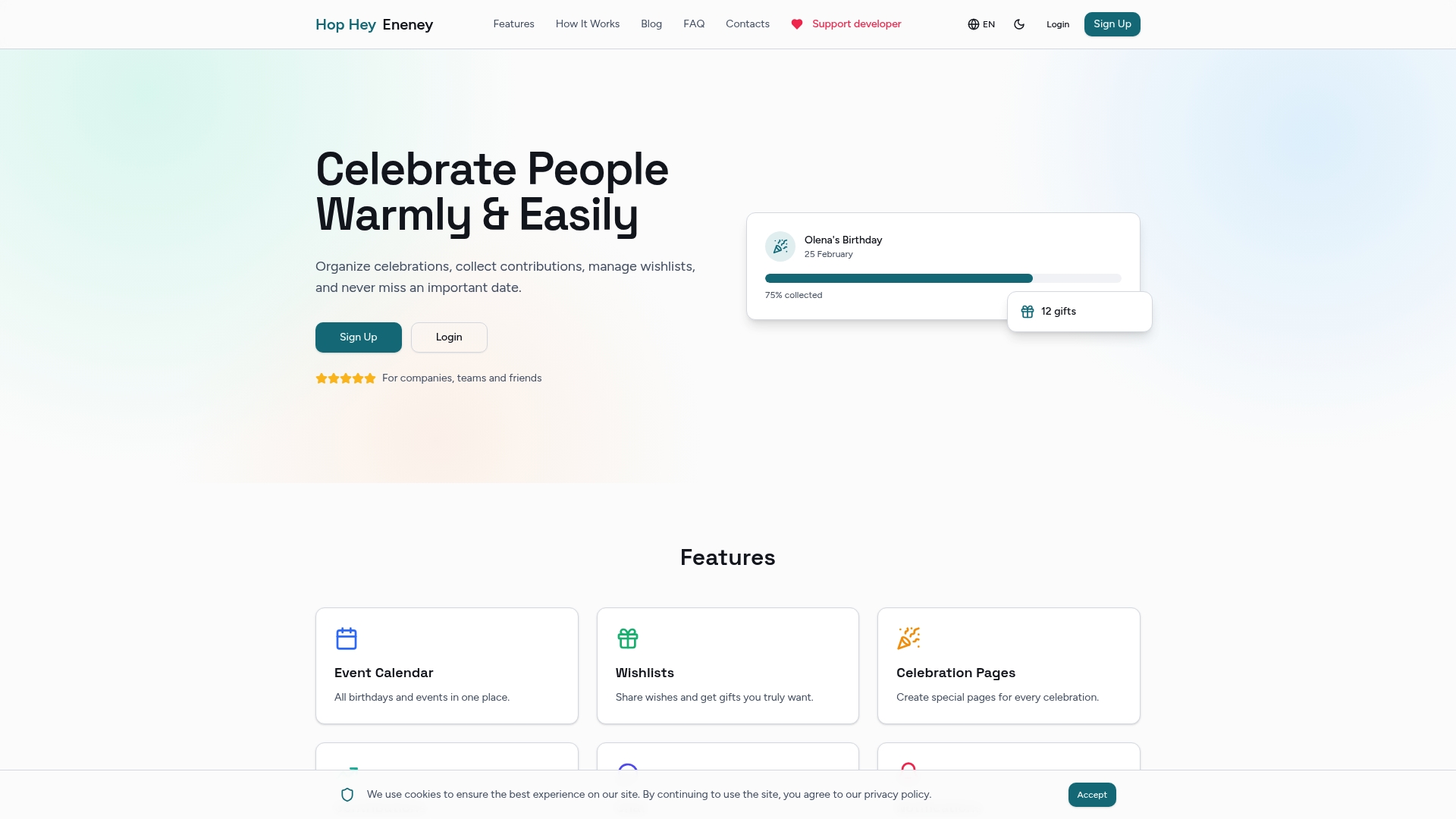
The Hop Hey platform was built specifically to remove that chaos. HR managers and team leads can create private celebration pages, collect gift contributions transparently in multiple currencies, coordinate through a dedicated chat that excludes the honoree, and send automated reminders via email or Telegram. Role-based permissions mean the right people have access to the right information without anything leaking to the person being celebrated. Whether you're managing a single team or a multi-department organization, Hop Hey gives your coordination process the structure it needs to consistently deliver memorable, meaningful events.
Frequently asked questions
What is the role of an event coordinator in HR?
An event coordinator in HR manages the planning, logistics, and communications needed for successful team recognition and engagement events, ensuring every celebration runs smoothly and achieves its cultural goals.
How can event coordination improve employee engagement?
Effective coordination creates more meaningful and memorable events, boosting morale and helping employees feel genuinely valued rather than just acknowledged as a formality.
What skills are most important for event coordinators?
Key skills include organization, communication, adaptability, and teamwork. These are all vital for handling the dynamic and often unpredictable nature of workplace events.
Are digital tools important in modern event coordination?
Yes. Digital tools streamline scheduling, communication, and budgeting, making events more efficient, inclusive, and scalable across remote or hybrid teams.
Recommended
- Event management guide: boost employee engagement (2026)
- Group celebration coordination: Streamline team recognition
- Why organize team celebrations: boost engagement 1.5%
- Team celebration: boost engagement and recognition in 2026
- How to create memorable team events that build real collaboration
- Teamevents steigern Motivation um 68% und Zusammenarbeit