
TL;DR:
- Centralized online platforms like Hophey efficiently gather group gift funds, simplifying tracking and reducing awkwardness. Clear communication, set deadlines, private contribution tracking, and automated reminders ensure a stress-free, transparent collection process. Using a single platform and proactive planning maximizes participation and prevents last-minute shortfalls.
Collecting funds for gifts is most effective when contributions flow through a single, centralized online collection page rather than scattered texts, Venmo requests, and spreadsheet rows. Group gift collection, the recognized term for coordinating pooled contributions toward a shared present, removes the burden from any one person and gives every contributor a clear, private way to participate. Platforms like PayIt2, Pooled, and Givetastic have made this process faster and far less awkward than the old cash-in-an-envelope method. The key is setting up one link, communicating clearly from the start, and letting the platform handle the tracking.
What are the best tools for collecting funds for gifts?
The right platform turns a chaotic group chat into a clean, trackable fund. Centralized online payment pages provide a dashboard to track all contributions in one place, eliminating scattered spreadsheets and app notifications. That matters because most organizers waste more time chasing payments than they spend actually choosing the gift.

Here is how the most widely used platforms compare:
| Platform | Best for | Fees | Key feature |
|---|---|---|---|
| PayIt2 | Workplace and school groups | Free to set up | Secure credit card payments, real-time tracking |
| Pooled | Friend groups and families | Small processing fee | Public progress bar, private contribution amounts |
| Givetastic | Charity-linked gifting | Free | Donation matching, shareable link |
| Cheddar Up | Large organizations | Free and paid tiers | Custom forms, multiple payment types |
| Hophey | Teams, companies, friend groups | Subscription-based | Private chat, wishlists, multi-currency support |
When choosing a platform, prioritize four features: the ability to share a single link, private contribution tracking, automated reminders, and a clear record of who has paid. Platforms that show publicly visible progress motivate contributors without requiring the organizer to nag anyone. Automated platforms provide peace of mind and minimize organizer stress by centralizing progress tracking and eliminating manual reminders.
Pro Tip: If your group uses Telegram or Slack daily, choose a platform that sends notifications through those channels. Hophey, for example, supports Telegram notifications so reminders land where people already pay attention.
For workplace gift funds, the HR gifting coordination approach recommends designating one platform per organization and sticking to it across all collections. Switching tools for every occasion forces contributors to create new accounts repeatedly, which kills participation rates.
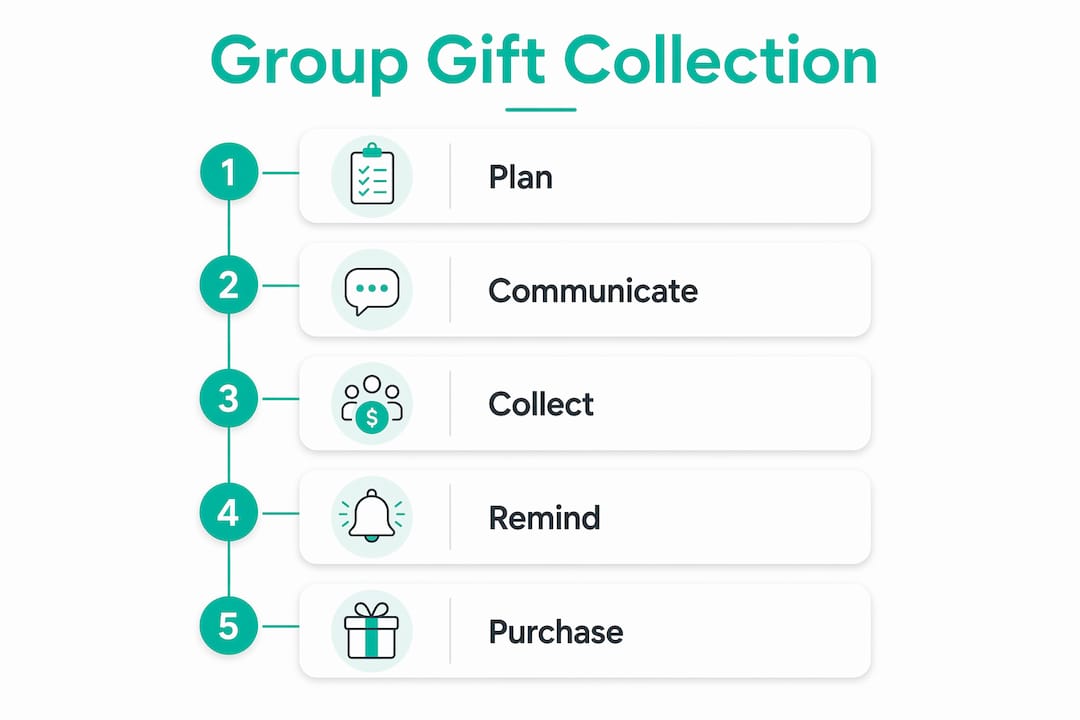
How to plan and communicate a group gift fund
Clear communication at the start of a collection prevents 80% of the problems that show up at the end. Being specific about the gift's purpose, target amount, and payment methods upfront increases participation and reduces organizer follow-ups. Think of your first message as a one-page brief: it should answer every question before anyone asks it.
Your opening message should cover these five points:
- The occasion and recipient. "We're collecting for Maria's 10-year work anniversary gift."
- The target amount and suggested contribution range. Suggesting contribution ranges like $10 to $20 instead of fixed amounts reduces social pressure and encourages participation from people at different budget levels.
- The payment link. One link only. Not Venmo AND PayPal AND cash. Choosing one payment method and sticking to it simplifies tracking and reduces confusion.
- The deadline. Give a specific date, not "sometime next week."
- Who to contact with questions. This prevents the group chat from filling with clarifying questions.
Set firm contribution deadlines at least one week before the gift purchase date to prevent last-minute shortfalls. That buffer week is not optional padding. It is the window where late contributors catch up and the organizer reconciles the final total before spending anything.
Send exactly one reminder, three days before the deadline, to anyone who has not yet contributed. Keep it private and direct. A message to the full group calling out missing payments creates social friction and often backfires, causing people to disengage entirely.
Pro Tip: Write your initial message in a notes app first, read it once as if you received it from a stranger, and ask: "Do I know exactly what to do and when?" If the answer is no, revise before sending.
Step-by-step process to collect and deliver the gift
A clear workflow removes the guesswork from every stage of the collection. Follow these steps in order and the process runs itself.
- Create the collection page. Set up your chosen platform with the recipient's name, the occasion, the gift idea, the target amount, and the deadline. Add a short description so contributors understand what they are funding.
- Share the link once. Send it to the group via email, a group chat, or a shared calendar event. One message, one link. Resist the urge to post it in multiple channels simultaneously.
- Track contributions privately. A single shared collection page allows contributors to give any amount they choose, reducing manual tracking on your end. Check the dashboard every few days, not every few hours.
- Follow up only in private. If someone has not contributed by three days before the deadline, send a brief private message. Never post a public list of who has or has not paid.
- Wait out the buffer week. Organizers benefit from a buffer week between the collection deadline and the gift purchase to handle late payments and corrections. Use this time to confirm the final amount and choose the exact gift.
- Purchase and document. Save the receipt. Note the final total collected, the amount spent, and any surplus. If there is leftover money, communicate transparently about how it will be used, whether that means a group card, flowers, or a refund.
- Deliver with a group card. A signed card or a digital message from every contributor turns a purchased item into a genuinely personal gift. Send thank-you acknowledgments to contributors so they feel the gesture landed.
For teams managing recurring collections, the gift giver roles guide on the Hophey blog breaks down how to assign organizer, contributor, and approver roles so no single person carries the full administrative load every time.
Common challenges when gathering money for group presents
Even well-organized collections run into friction. Knowing the failure points in advance lets you design around them.
- Misattributed payments. When multiple collections run at the same time, contributors often send money without specifying which gift it is for. Instructing contributors to include a note referencing the gift occasion with their payment prevents this. A simple note like "Maria anniversary gift" saves hours of reconciliation.
- Organizer burnout. Manual collection turns the organizer into the reminder person, which creates social friction. The fix is structural: use a platform that sends automated reminders so you never have to personally chase anyone.
- Social pressure and awkwardness. Make contributions voluntary and keep individual amounts private. When people know their specific contribution will not be visible to colleagues, they participate more freely and more generously.
- Disputes over the gift choice. Decide on the gift before you open the collection, not after. Collecting money and then polling the group on what to buy creates decision paralysis and delays. Present the gift idea in your first message so contributors know exactly what they are funding.
- Late payments after the purchase. Set a clear policy upfront: contributions received after the purchase date go toward a group card or a secondary gift. This removes ambiguity and prevents the organizer from fronting money indefinitely.
Establishing clear rules including goal, deadline, and payment platform reduces disputes and keeps the collection moving forward. Treat these rules as non-negotiable from the start, not as guidelines you will enforce only if problems arise.
Key takeaways
The most effective way to collect funds for group gifts is to use a single centralized platform, communicate all details upfront, and set a deadline with a buffer week before purchase.
| Point | Details |
|---|---|
| Use one platform | Pick a single collection tool like PayIt2, Pooled, or Hophey and share one link only. |
| Communicate upfront | Include the occasion, target amount, contribution range, payment link, and deadline in your first message. |
| Set a buffer deadline | Close contributions one week before purchase to handle late payments without stress. |
| Keep amounts private | Private contribution tracking increases participation and removes social pressure. |
| Automate reminders | Use platforms with built-in reminders so you never have to personally chase contributors. |
What I have learned from organizing dozens of group collections
The biggest mistake I see organizers make is treating the collection as a social event rather than a logistics problem. They worry about offending people, so they hedge on the amount, leave the deadline vague, and avoid following up. The result is a chaotic last week of chasing payments and a gift that arrives late.
The shift that changed everything for me was adopting a single online collection portal and writing one clear, complete message before sending anything. Once I stopped improvising and started treating each collection like a small project with a defined scope, the social awkwardness largely disappeared. People actually appreciate clarity. A message that says "here is the link, here is the range, here is the deadline" respects everyone's time.
I have also learned that the platform matters less than the process. A well-run collection on a basic tool beats a poorly run collection on a sophisticated one. That said, platforms like Hophey that combine fund collection with private group chat and wishlists genuinely reduce the coordination overhead for recurring occasions like office birthdays or annual celebrations. The event fund collection guide on the Hophey blog captures this well: the goal is a surprise-proof, stress-free process, not just a payment link.
My honest advice: set the deadline earlier than you think you need to. Contributors are not ignoring you. They are busy. Give them a real deadline, send one private reminder, and accept that some people will contribute at the last minute. That is normal. Build it into your timeline and it stops being a problem.
— Konstantin
Simplify your next group gift collection with Hophey
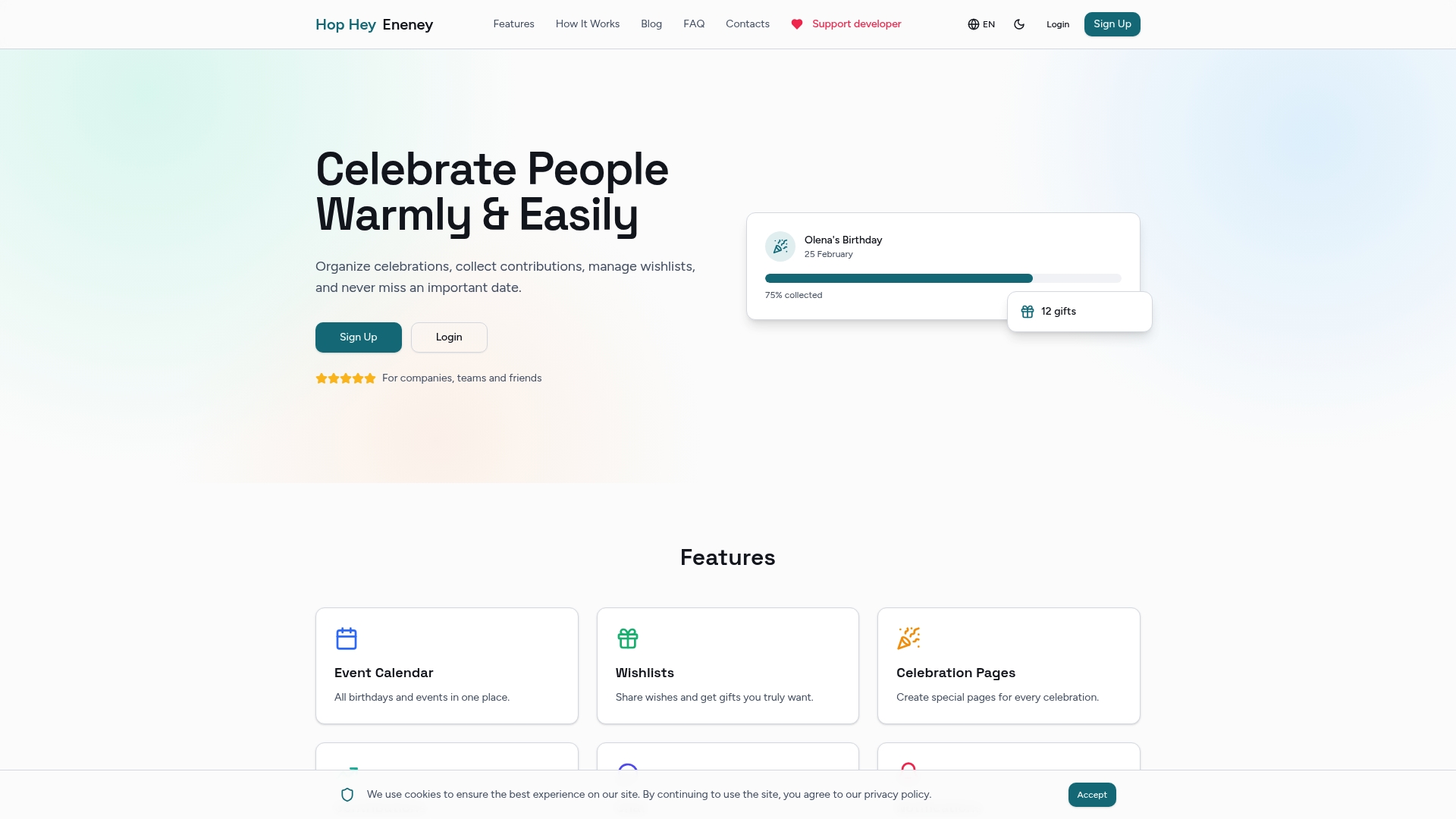
Hophey is built for exactly this situation. Whether you are organizing a birthday fund for a colleague, a wedding gift from a friend group, or a recurring office collection, Hophey gives you a private celebration page, a transparent contribution tracker, and a built-in group chat so the recipient never sees the planning. Multi-currency support in UAH, USD, and EUR means international teams can contribute without friction. Automated email and Telegram reminders replace the awkward follow-up messages entirely. Visit Hophey's platform to set up your first collection page and see how much simpler group gifting can be.
FAQ
What is the easiest way to collect money for a group gift?
The easiest method is creating a single online collection page on a platform like PayIt2, Pooled, or Hophey and sharing one link with the group. This centralizes payments, tracks contributions automatically, and removes the need for manual follow-up.
How much should I ask people to contribute to a group gift?
Suggest a contribution range rather than a fixed amount, such as $10 to $20, so participants can give what fits their budget. Keeping individual amounts private increases comfort and overall participation.
How do I follow up without making it awkward?
Send one private message to anyone who has not contributed three days before the deadline. Never post public reminders or lists of who has not paid, as this creates social friction and reduces goodwill.
How far in advance should I start collecting?
Start collecting at least two weeks before the occasion and set your contribution deadline one week before the planned purchase date. This buffer handles late payments and gives you time to confirm the final amount before buying.
Can I use multiple payment methods to make it easier for contributors?
Sticking to one payment method simplifies reconciliation and prevents misattributed payments. Allowing Venmo, PayPal, and cash simultaneously often creates more confusion than it solves.