
TL;DR:
- Effective celebration communication relies on a clear timeline, matching channels to message types, and a single point of contact.
- Good recognition is specific, timely, and involves sharing concrete actions and impacts to make people feel genuinely valued.
Clear, timely, and specific messaging is the foundation of every successful celebration. Whether you are an HR professional coordinating a company milestone, a team leader planning a group birthday, or a friend organizing a surprise party, your communication tips for celebrations determine whether the event runs smoothly or falls apart. The difference between a chaotic event and a memorable one is rarely the budget. It is almost always the communication. This guide covers the practical strategies that event organizers, team leaders, and hosts use to keep everyone aligned, engaged, and genuinely excited.
1. Build a communication timeline before the event
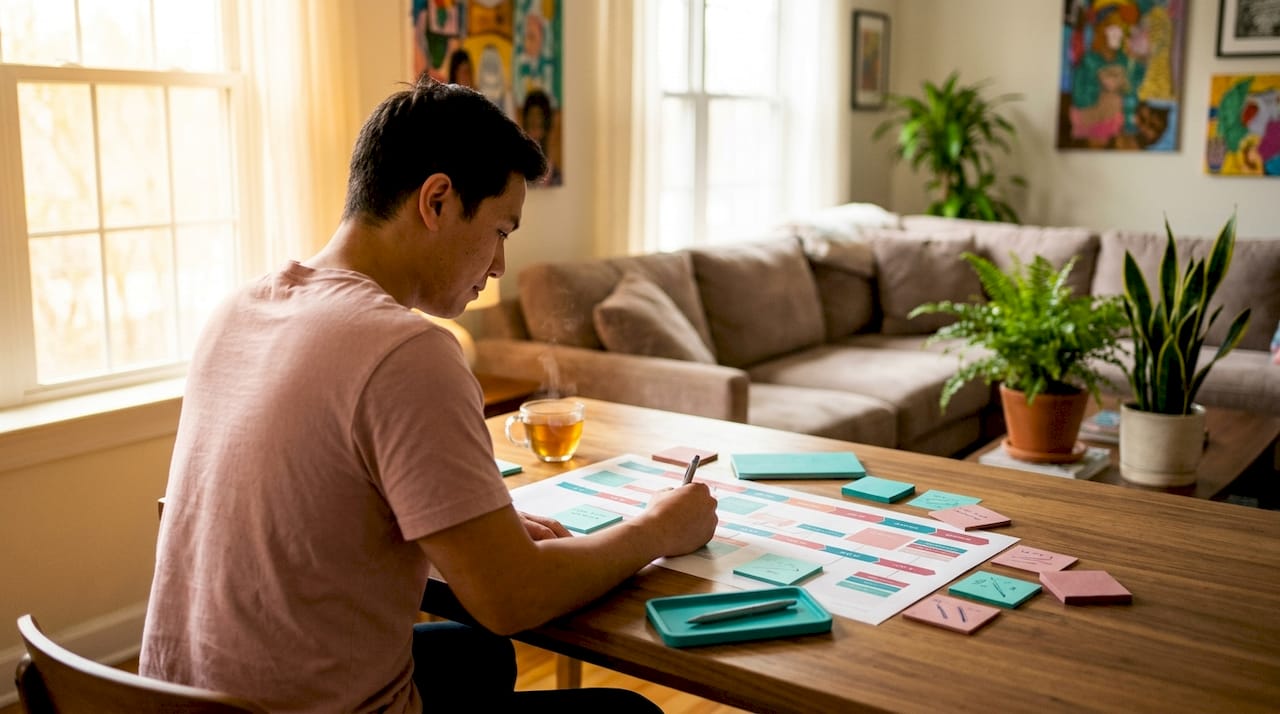
A structured event communication timeline is the single most effective tool for preventing last-minute chaos. Without one, critical details fall through the cracks and people assume someone else handled them.
The standard milestones work like this:
- 60–90 days out: Lock in vendor contracts and send formal confirmations by email.
- 30 days out: Follow up with all vendors and key participants to confirm availability.
- 14 days out: Confirm logistics, including venue access, catering headcount, and equipment.
- 7 days out: Send final details to guests and your coordination team.
- Day of: Shift to real-time updates using phone or WhatsApp for anything time-sensitive.
Each milestone serves a specific purpose. The 60–90 day window is for paperwork. The 7-day window is for clarity. Mixing those two phases into one frantic day-before scramble is how celebrations go wrong.
Pro Tip: Schedule brief check-ins at three key moments on the day itself: after setup, after the first major transition, and 30 minutes before teardown. Treat them as 2-minute status updates, not open discussions.
2. Match your communication channel to the message
Not every message belongs in the same place. Centralizing coordination messages and matching channels to message types prevents critical information from getting buried.
Here is how to assign channels:
- Email: Use for contracts, formal confirmations, vendor agreements, and anything that needs a paper trail.
- WhatsApp or phone calls: Use for day-of updates, urgent changes, and real-time coordination.
- Dedicated group chats: Use for team coordination only. Keep them separate from casual social chats.
- Social media DMs: Avoid for anything logistically important. Messages get lost too easily.
- Shared platforms: Use for centralized documents, guest lists, and contribution tracking.
The biggest mistake organizers make is dropping critical day-of information into a busy group chat where it disappears under memes and reactions. Reserve your group chat for coordination, not conversation.
3. Designate a single point of contact
Multiple contacts cause confusion amplification during celebrations. When vendors, guests, and team members receive different answers from different people, trust breaks down fast.
Assign one person to own all logistics questions. That person fields vendor calls, answers guest questions, and relays updates to the team. Everyone else redirects inquiries to that contact. This structure sounds simple, but most events skip it entirely. The result is three people giving three different answers about where the ceremony starts.
For larger events, you can have one contact for vendors and a separate one for guests. The rule is still the same: one owner per communication lane.
4. Define your escalation path before problems happen
An escalation path defines who calls whom when something goes wrong. Without one, urgent problems trigger improvisation instead of action.
Write it down before the event. If the caterer cancels, who is the backup contact? If the venue has a technical issue, who has authority to make a call? If a key speaker is late, who decides whether to delay or proceed? Answering these questions in advance takes 15 minutes. Answering them in real time during the event takes much longer and costs much more stress.
Share the escalation path with your core team at least 48 hours before the event. Everyone should know their role before they need to use it.
5. Craft celebration speeches with a 3-part structure
Short toasts follow a 3-part structure that keeps them focused and memorable: introduction or connection, a specific story, and a clear wish or raise-glass moment. This structure works for wedding toasts, team recognition speeches, and birthday tributes alike.
Keep speeches between 1 and 3 minutes. Longer speeches lose the room. A 90-second toast delivered with confidence lands harder than a 5-minute monologue delivered nervously.
- Introduction: Establish your connection to the person being celebrated. One or two sentences.
- Specific story: Share one concrete moment that illustrates why this person matters. Avoid generic praise.
- Wishes: End with a clear, forward-looking wish and invite the room to raise their glasses.
Pro Tip: Open with a specific observation rather than "I've known [name] for X years." A specific detail pulls the audience in immediately. Pause after your opening line to let it land.
6. Deliver toasts with intention, not just words
Writing a good toast is half the work. Delivery determines whether it resonates. Structured and concise speeches are more memorable because they respect the audience's attention and give each moment room to breathe.
Practice your toast out loud at least twice before the event. Reading it silently does not prepare you for the emotional weight of saying it in front of people. If you feel emotion rising, pause. A pause reads as sincerity, not weakness. Speak slowly enough that the back of the room can hear every word.
Avoid reading directly from your phone. Eye contact with the person being celebrated makes the moment personal. A few notes on a card are fine. A full script on a screen creates distance.
7. Make recognition specific and timely
Generic praise feels empty. Specific praise tied to a real outcome makes people feel genuinely seen. This applies to team celebrations, workplace milestones, and group events equally.
Use this simple recognition template:
- What they did: Name the specific action or contribution.
- Why it mattered: Connect it to a team goal, project outcome, or shared value.
- How it affected others: Describe the impact on the group, client, or event.
For example: "Maya coordinated all vendor confirmations two weeks ahead of schedule. That gave the whole team time to focus on the guest experience instead of chasing paperwork." That is specific. That lands. "Great job, Maya" does not.
Aim to deliver recognition within days of the win, not months later at an annual review. Delayed recognition loses its emotional impact.
8. Celebrate micro-wins, not just big milestones
Teams and groups that only celebrate major milestones miss most of their opportunities to build connection. Meaningful recognition requires specificity, and micro-wins give you more chances to practice it.
A micro-win is any small but meaningful contribution: finishing a difficult task early, handling a tough situation gracefully, or showing up consistently over time. Calling these out in a group setting builds a culture where people feel noticed. It also distributes recognition authority across the team rather than concentrating it in one manager's hands.
Track whom you recognize and how often. If the same three people receive all the praise, the rest of the group notices. Inclusive recognition is not just fair. It is more accurate.
9. Send personalized thank-you messages after the event
Send thank-you messages within 24–48 hours of the event for the strongest effect. The next morning is ideal. Waiting a week makes the message feel like an afterthought.
Use a two-layer draft method: write one strong base message that works for everyone, then add one personal sentence for each key guest or contributor. This approach takes roughly 15 minutes for a small group and about an hour for 30 or more people. The personal sentence is what transforms a form letter into a genuine note.
For team events, send individual messages to anyone who contributed significantly. A group thank-you is fine for general attendees. Key contributors deserve their own line.
Key takeaways
Effective celebration communication combines a clear timeline, the right channels, a single point of contact, and specific recognition to prevent chaos and create memorable experiences.
| Point | Details |
|---|---|
| Use a communication timeline | Set milestones at 60–90, 30, 14, and 7 days out to prevent last-minute gaps. |
| Match channels to message type | Use email for contracts, WhatsApp for day-of updates, and dedicated chats for coordination. |
| Assign one point of contact | One owner per communication lane eliminates conflicting answers and confusion. |
| Structure speeches in 3 parts | Introduction, specific story, and wishes keep toasts under 3 minutes and on point. |
| Make recognition specific | Name the action, the outcome, and the impact to make praise feel genuine and motivating. |
Why communication is the real event planner
Most celebration failures trace back to a communication gap, not a budget gap. I have seen beautifully catered events fall apart because the caterer had three different contacts giving three different instructions. I have watched heartfelt toasts land flat because the speaker tried to cover 10 years of friendship in 8 minutes. The fix in both cases was the same: a clearer system.
The tips in this article are not abstract best practices. They are the specific habits that separate organized, enjoyable celebrations from stressful ones. A timeline prevents the "I thought you told them" problem. A single point of contact stops confusion from multiplying. A 3-part toast structure keeps the room engaged. Specific recognition makes people feel seen rather than managed.
The mindset shift worth making is this: communication is not the administrative side of celebration planning. It is the celebration itself. How you tell people what is happening, how you recognize their contributions, and how you thank them afterward shapes the entire experience. Get that right, and the logistics tend to follow.
For HR teams and event organizers, I recommend reviewing your event communication strategies as a team before each major event. A 20-minute pre-event alignment conversation prevents hours of day-of improvisation.
— Konstantin
How Hophey supports your celebration communication
Coordinating a celebration across a team or friend group means managing messages, contributions, reminders, and surprises all at once. Hophey brings all of that into one place.
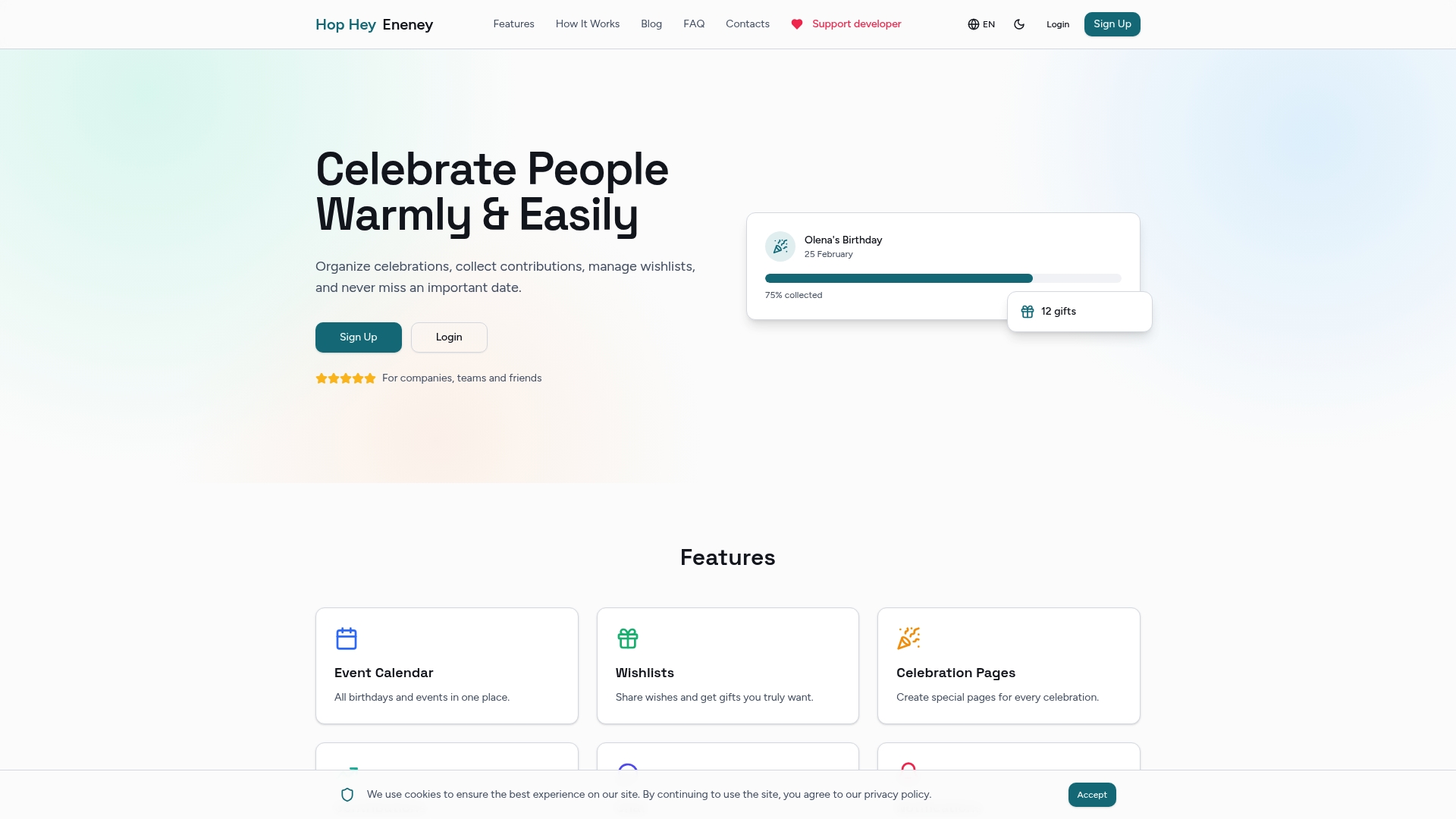
Hophey is a celebration management platform built for HR teams, team leaders, and friend groups who want organized, stress-free events. The platform includes private celebration pages, a shared event calendar, dedicated coordination chat, and transparent gift fund collection. Automated reminders via email and Telegram mean nothing slips through the cracks. Role-based permissions keep surprises intact. Whether you are planning a corporate milestone or a group birthday, Hophey gives your team the structure to communicate well and celebrate better.
FAQ
What are the most effective communication tips for celebrations?
The most effective party communication advice combines a structured timeline, channel matching, and a single point of contact. These three elements prevent the majority of coordination failures before they happen.
How long should a celebration speech or toast be?
Toasts should run 1–3 minutes. Longer speeches lose audience attention. A focused 90-second toast with a specific story and a clear ending is more memorable than a rambling 5-minute tribute.
When should I send thank-you messages after a celebration?
Send thank-you messages within 24–48 hours of the event. The next morning is the ideal window. Waiting longer reduces the emotional impact of the message.
How do I make recognition feel genuine in a group celebration?
Specific praise tied to outcomes feels genuine. Name what the person did, why it mattered, and how it affected the group. Generic phrases like "great job" do not create the same effect.
What communication channels work best for event coordination?
Email works best for contracts and formal confirmations. WhatsApp or phone calls work best for day-of updates. Avoid dropping critical logistics into busy social group chats where messages get buried.