
TL;DR:
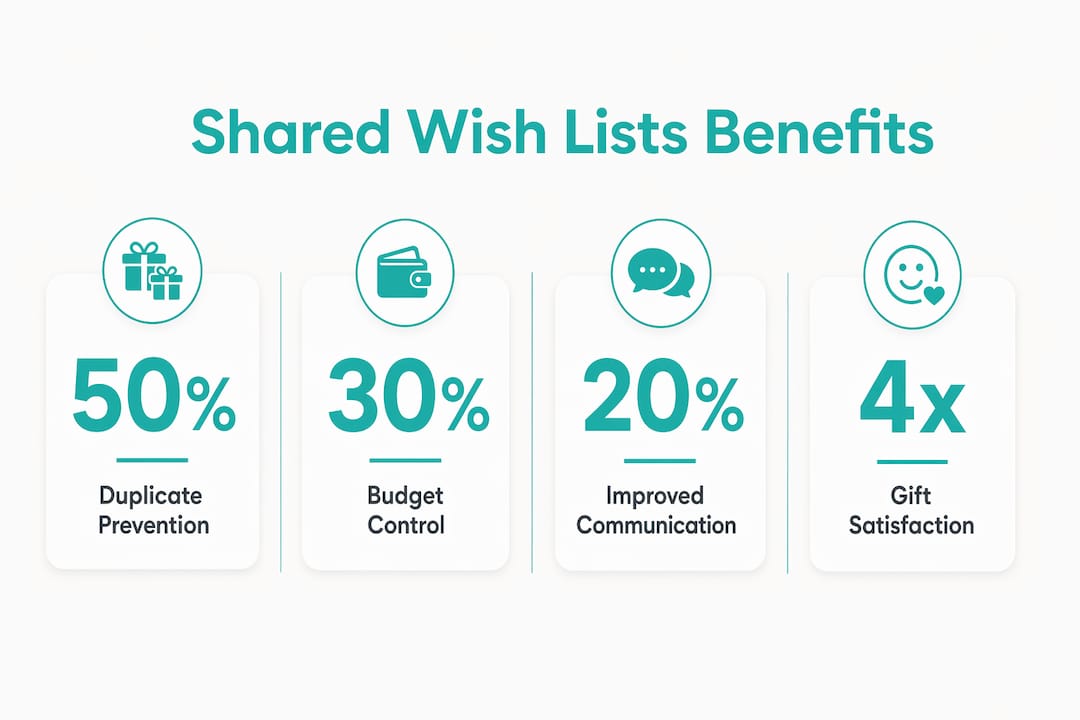
- Shared wish lists centralize gift preferences, prevent duplicate items through real-time updates, and foster stronger relationships.
- They support budget management by allowing price alerts, pooled contributions, and prioritized categorization, reducing unnecessary spending.
A shared wishlist is a centralized, collaborative gift preference platform where multiple people can view, add, and track desired items in real time. The shared wish lists benefits go far beyond simple convenience. Households using shared digital lists spend significantly less on duplicate items and shipping fees, according to NerdWallet. That means a single organized list can protect both your budget and your relationships. Platforms like Amazon Wish Lists, MyRegistry.com, WishDeck, and Hophey each approach collaborative gifting differently, but they all solve the same core problem: the chaos of uncoordinated gift-giving.
What are the shared wish lists benefits for preventing duplicate gifts?
Duplicate gifts are the most common and most frustrating outcome of uncoordinated group gifting. Two aunts buy the same book. Three coworkers chip in for the same coffee maker. A shared wishlist eliminates this by giving every gift giver the same real-time view of what has already been purchased or reserved.
Universal gift lists reduce and often entirely prevent duplicate gifts, outperforming store-specific lists in this regard. The reason is structural: a universal registry pulls items from multiple retailers into one place, so no giver is working from an incomplete picture. A shared list on Amazon, by contrast, only shows items from Amazon, which means a gift bought at Target never gets marked off.
The mechanism that makes this work is purchase reservation. When a giver clicks "reserve" or "mark as purchased," the item is flagged for every other viewer immediately. This real-time update is the single most important feature to look for when evaluating any collaborative list platform.
Here is how the two main approaches compare on duplicate prevention:
| Feature | Amazon Wish Lists | Universal registries (e.g., MyRegistry.com) |
|---|---|---|
| Multi-store item tracking | No (Amazon only) | Yes (any retailer) |
| Real-time purchase visibility | Yes | Yes |
| Purchase reservation flag | Yes | Yes |
| Cash fund or experience tracking | Limited | Yes |
| Duplicate prevention reliability | Moderate | High |
A shared list with real-time updates gives guests visibility into what is still available, which removes the guesswork entirely. For group events like baby showers, weddings, or office celebrations, this feature alone justifies using a dedicated platform over a simple text thread or spreadsheet.
What are the advantages of shared wish lists for budget management?
Budget control is one of the most underrated advantages of shared wish lists, and it works in both directions. The person receiving gifts avoids the awkward pile of unwanted items they will never use. The people giving gifts stop wasting money on guesses.
Amazon Wish Lists provide price drop notifications and organizational tools that help buyers plan purchases around deals. This means a giver watching a list can wait for the right moment to buy rather than panic-purchasing at full price the week before an event. The savings compound across a group of givers all watching the same list.
Shared lists also support intentional spending by acting as a "waiting room" for desired items. Wishlist curation encourages intentional spending and helps users prioritize what they actually need versus what caught their attention in the moment. This curbs impulse buying on both sides of the transaction.
For households, the budget benefits are even more direct. Partners and roommates who maintain a shared household list can:
- Separate immediate needs from future wants using priority tags
- Avoid buying the same item twice from different stores
- Pool contributions toward a single high-value item instead of buying several smaller ones
- Track spending across multiple upcoming events in one place
Pro Tip: Organize your shared list into three tiers: "Need Now," "Want Soon," and "Dream Items." This gives givers a clear signal about urgency and helps them match their budget to the right category without asking awkward questions.
How do shared wish lists improve communication and relationships?
The logistics benefits are real, but the relational benefits of collaborative gift lists are what make them genuinely worth adopting. Shared lists provide a transparent window into a person's interests and dreams, and that transparency makes recipients feel truly known rather than just tolerated.

Sharing a gift registry reduces guessing and eliminates unwanted presents, which removes a layer of social friction that most people quietly endure for years. When a friend receives exactly what they wanted, the gift lands differently. It signals attention and care, not just obligation.
WishDeck takes this concept further by transforming wishlists into visual collages that express personal style and identity. A wishlist becomes less of a shopping catalog and more of a self-portrait. Sharing it with family or friends opens a conversation about who you are and what matters to you, which deepens connection in a way a generic gift card never could.
For teams and organizations, this dynamic applies just as directly. When an HR team or group of colleagues uses a workplace wishlist system, they signal that they pay attention to individuals rather than treating everyone as interchangeable. That recognition has a measurable effect on morale and belonging.
Pro Tip: When sharing a wishlist for a birthday or celebration, include a short note with each item explaining why you want it. This turns a list of products into a story, and givers feel far more confident and connected when they understand the "why" behind a gift.
What features differentiate popular shared wishlist platforms?
Choosing the right platform depends on your use case, your group size, and how much flexibility you need. Not all collaborative list tools are built the same way.
Universal gift lists allow inclusion of cash funds, experiences, and items from multiple stores, making them better suited for major life events like weddings, graduations, or milestone birthdays. Amazon Wish Lists are faster to set up and work well for individuals who shop primarily on Amazon, but they cannot capture a dinner reservation, a cooking class, or a contribution toward a vacation fund.
Here is a practical breakdown of what to look for when evaluating any shared wishlist platform:
- Multi-store item addition: Can you add items from any website, or only from one retailer?
- Purchase tracking and reservation: Does the platform update all viewers when an item is claimed?
- Experience and cash fund support: Can givers contribute toward non-physical gifts?
- Priority and category settings: Can the list owner signal which items matter most?
- Sharing and access controls: Can you share via link, email, or social media without requiring the recipient to create an account?
- Group coordination tools: Does the platform support multiple contributors coordinating toward one gift?
| Platform | Multi-store | Experience funds | Group coordination | Best for |
|---|---|---|---|---|
| Amazon Wish Lists | No | No | Limited | Individual shoppers |
| MyRegistry.com | Yes | Yes | Moderate | Weddings, registries |
| WishDeck | Yes | No | Limited | Personal style sharing |
| Hophey | Yes | Yes | Yes | Teams, events, groups |
Hophey stands out specifically for group coordination. It combines wishlist management with event planning, transparent fund collection, and private chat, which means the entire gifting process lives in one place rather than scattered across email threads and spreadsheets.
Key takeaways
Shared wish lists work because they centralize gift preferences, eliminate duplicate purchases, and give every participant the same real-time information, which makes both giving and receiving gifts more accurate and more meaningful.
| Point | Details |
|---|---|
| Duplicate prevention | Real-time purchase tracking on universal lists eliminates overlapping gifts across any retailer. |
| Budget control | Price alerts, priority tiers, and pooled contributions reduce wasted spending for givers and recipients alike. |
| Relationship depth | Transparent lists make recipients feel known, turning a transaction into a genuine expression of care. |
| Platform selection | Universal registries outperform store-specific lists for flexibility, experience funds, and multi-store tracking. |
| Group coordination | Platforms with built-in chat and fund collection, like Hophey, remove the need for separate planning tools. |
Why I stopped dreading gift season after switching to shared lists
I used to spend the two weeks before every major celebration in a low-grade panic. Not because I did not care about the people I was buying for. Because I had no reliable signal about what they actually wanted, and I was terrified of duplicating what someone else had already bought.
The first time I used a properly structured shared list for a team celebration, the difference was immediate. No one bought the same thing twice. The person being celebrated got gifts they had actually chosen. And the group coordination happened without a single chaotic group chat.
What surprised me most was the emotional shift. When you give someone exactly what they asked for, the interaction changes. They do not have to perform gratitude for something they will quietly donate. You do not have to wonder if you got it right. The whole exchange becomes more honest and more satisfying for everyone involved.
The platforms that get this right, including Hophey for group settings and MyRegistry.com for personal registries, treat the wishlist as infrastructure for relationships, not just a shopping tool. That reframe is what makes shared lists genuinely worth adopting, not just for convenience, but for the quality of connection they enable.
I have also noticed that teams using collaborative birthday wishlists in professional settings report stronger feelings of recognition and belonging. That is not a small thing. It is the difference between a workplace that feels human and one that just processes people.
— Konstantin
Organize your next celebration with Hophey
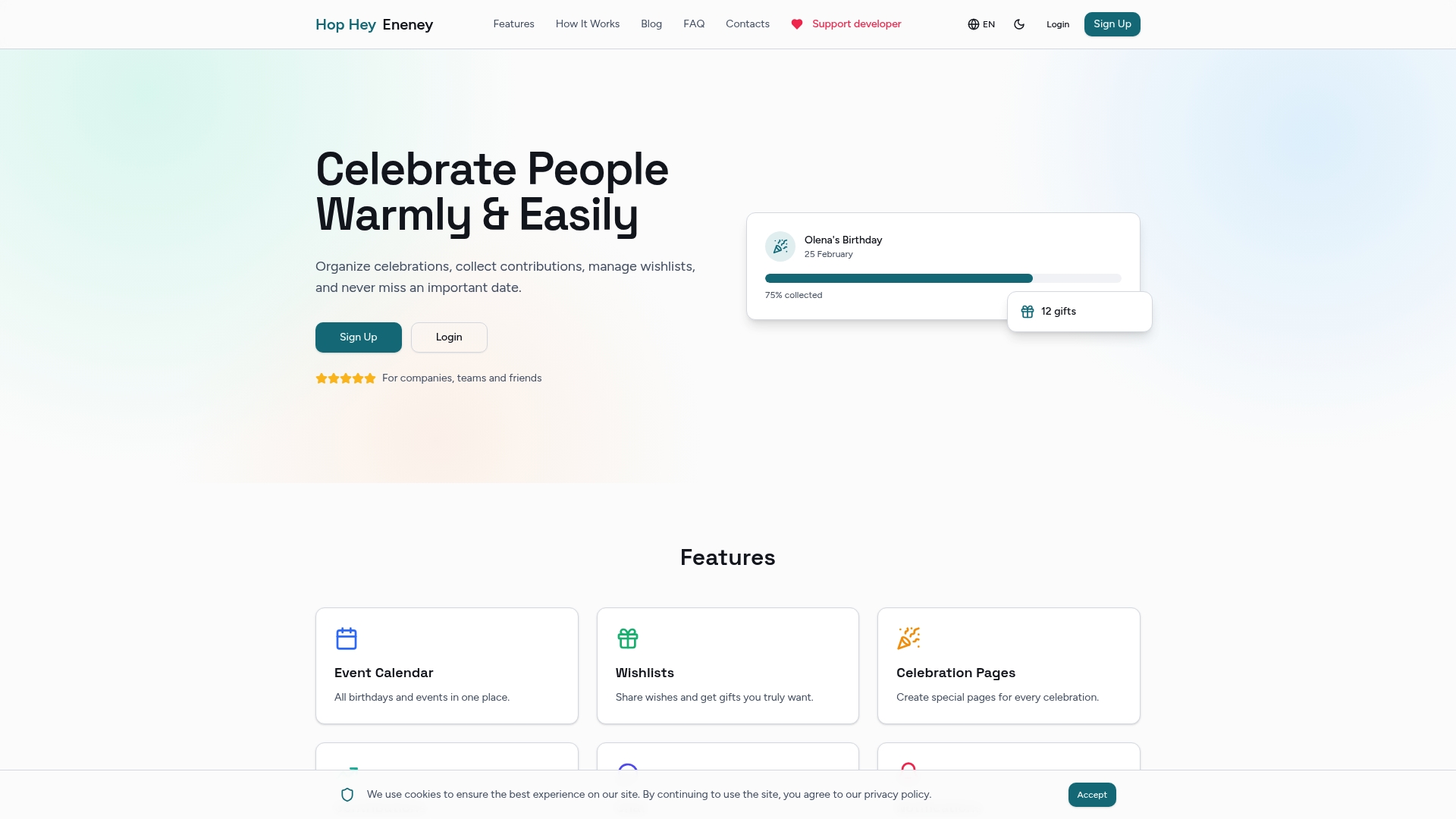
Hophey is built for exactly the situations this article describes: groups of people who want to give meaningful gifts without the coordination chaos. The platform combines shared wishlists, transparent fund collection, private event chat, and automated reminders into one place. Whether you are an HR team managing employee birthdays, a friend group planning a surprise party, or a couple building a wedding registry, Hophey removes the friction from every step. Visit Hophey to create your first shared wishlist and see how much simpler celebrations become when everyone works from the same page.
FAQ
What is a shared wishlist?
A shared wishlist is a centralized digital list of desired gifts that multiple people can view and track in real time. It allows gift givers to see what is available, what has been purchased, and what the recipient actually wants.
How do shared wish lists prevent duplicate gifts?
Shared lists use purchase reservation and real-time tracking so every viewer sees immediately when an item has been claimed. Universal gift lists are especially effective because they track items across multiple retailers, not just one store.
Are shared wish lists useful for workplace gifting?
Yes. Teams using shared lists for birthdays and celebrations report fewer duplicate gifts, lower per-person spending, and stronger feelings of recognition among employees. Platforms like Hophey are specifically designed for this group coordination use case.
What is the difference between Amazon Wish Lists and universal registries?
Amazon Wish Lists are limited to Amazon products, while universal registries like MyRegistry.com support items from any retailer as well as cash funds and experiences. Universal registries offer more flexibility for major events and diverse gift types.
How do I manage a shared wish list effectively?
Organize items by priority tiers, update the list regularly as items are purchased, and use a platform that sends real-time notifications to all viewers. Adding brief notes explaining why you want each item helps givers feel confident and connected to their purchase.